
Your End-of-Summer AC Maintenance and Winterization Guide
As the lingering summer heat finally begins to break and we start feeling that familiar crispness in the air, it is time to shift our focus homeward. Here in Calgary, our seasons transition rapidly. Before we know it, we will be trading our shorts for heavy coats and bracing for unpredictable Foothills weather. But before you completely forget about your cooling system until next year, taking a little time for end-of-summer AC maintenance can save you a lot of headaches, money, and stress down the road.
After working overtime to keep your home comfortable—especially during those intense stretches of summer heat and periods of heavy wildfire smoke—your air conditioner deserves a proper wrap-up. Neglecting your system now can lead to unpleasant surprises when the warm weather returns. This guide will walk you through exactly what you need to do to protect your investment, maintain your system's energy efficiency, and ensure your home comfort equipment is ready to perform perfectly next season.
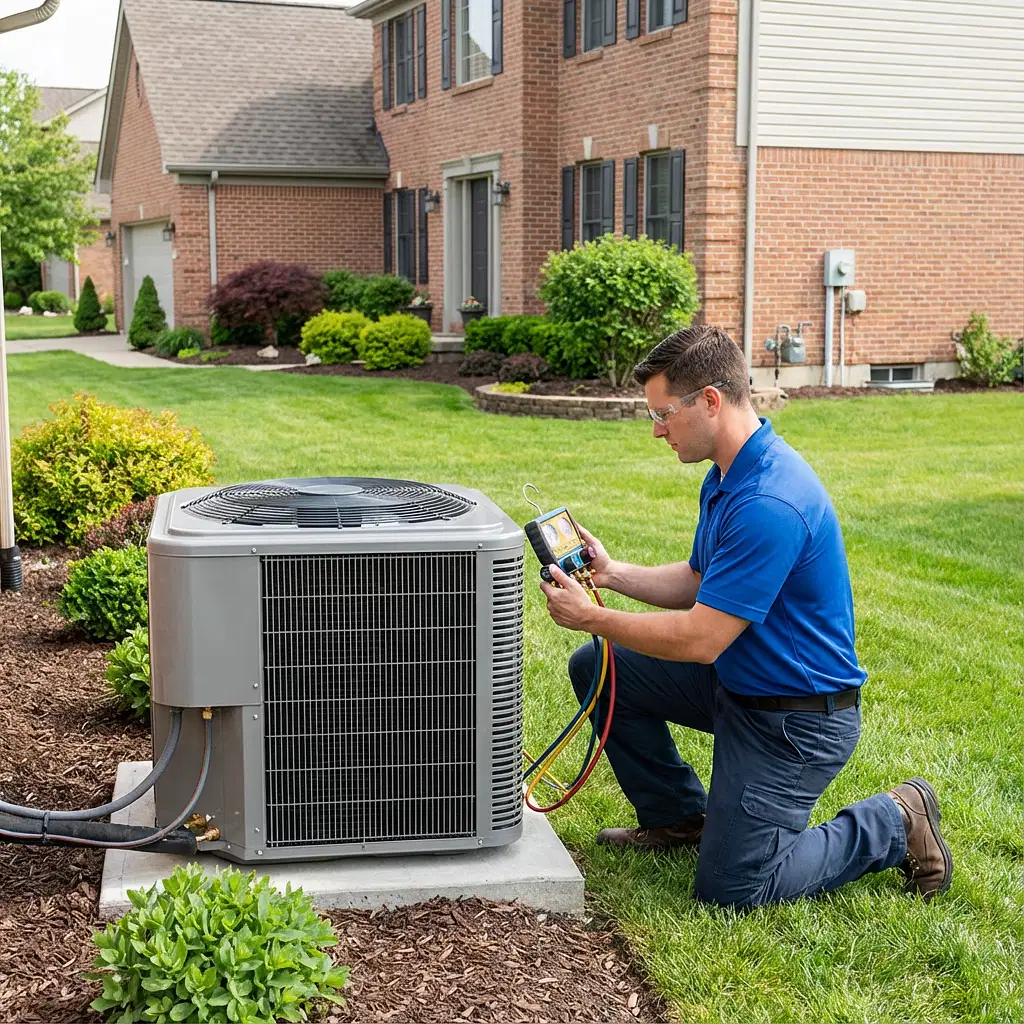
The Ultimate End-of-Summer AC Maintenance Checklist
Before you even think about winterizing, your system needs a little basic care. Running an air conditioner through our hot summers takes a toll, and leaving dirt, debris, or mechanical issues unaddressed over the winter can lead to premature failure or expensive emergency fixes later. Here is a simple end of summer ac maintenance checklist to follow:
Swap out your indoor filters: Even though this is an indoor task, it is critical for both your cooling and upcoming heating needs. Summer wildfire smoke forces your HVAC system to work incredibly hard to maintain your indoor air quality, often clogging filters much faster than normal. Start the new season fresh by changing your furnace filter. This improves airflow, reduces strain on your blower motor, and sets your heating system up for success.
Clear the perimeter: Throughout the summer, grass clippings, falling leaves, and dirt tend to accumulate around the base of your outdoor unit. Gently brush away this debris and trim back any overgrown bushes or branches. Your system needs adequate airflow to function properly, and removing this debris prevents moisture buildup. It also removes hiding spots for pests that might otherwise try to make a winter nest inside the equipment.
Inspect and clean the exterior fins: The delicate metal fins on the outside of your unit can easily become caked with dust or bent by wayward hail or lawnmowers. You can gently wash away light dirt with a standard garden hose (never a pressure washer, which can cause severe damage). If you notice large areas of flattened fins, it is best to have a professional handle it.
Listen for unusual noises: Turn your cooling system on one last time and listen closely. If you hear any rattling, grinding, or squealing, do not ignore it. It is always best to schedule your air conditioner repair and maintenance now rather than discovering a seized motor or broken compressor during the first heatwave next spring.
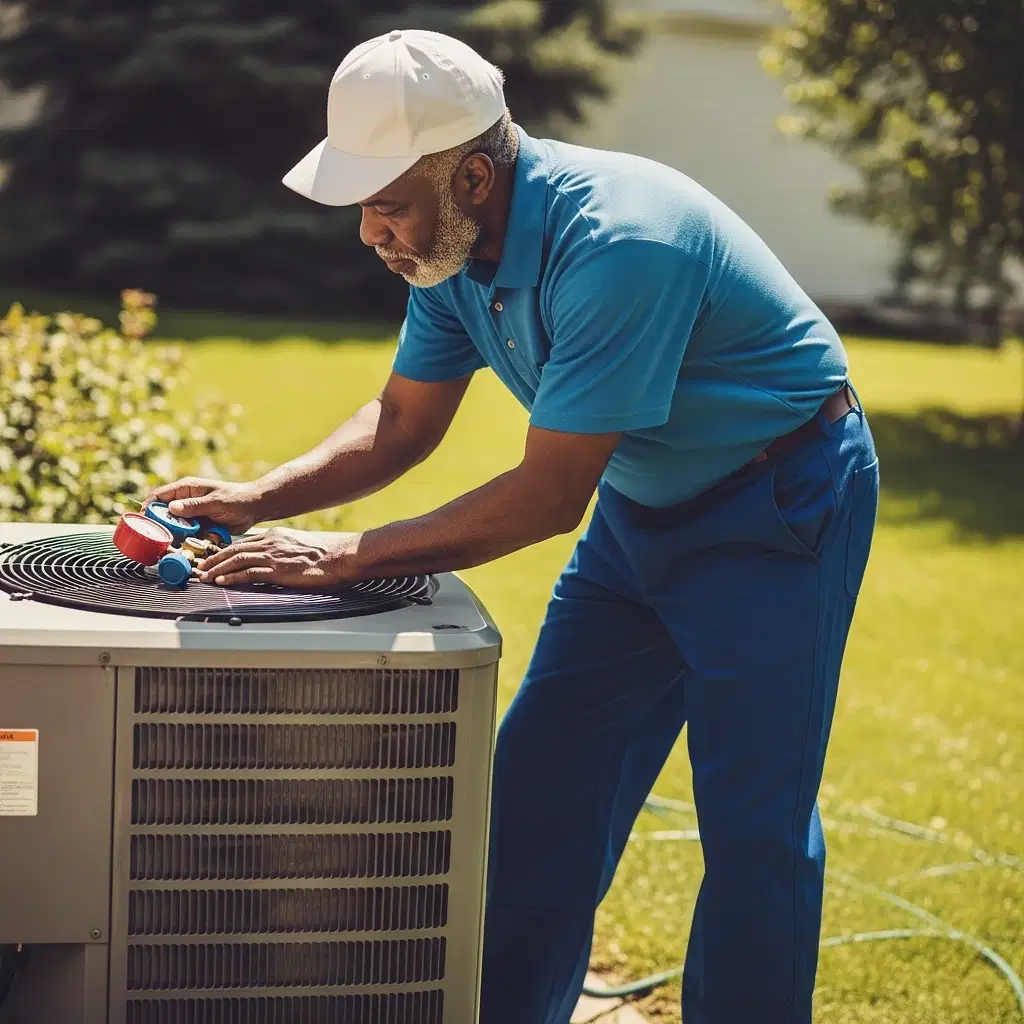
Preparing Your Outdoor AC Unit for Freezing Temperatures
Once your system is clean and running smoothly, the next step is protecting it from the harsh elements. Figuring out how to winterize central air conditioning unit properly is a common source of confusion for homeowners, especially when facing our famous extreme temperature drops.
The most common question we hear this time of year is: should you cover air conditioner in winter?
The short answer is yes, but only partially. Your outdoor unit is built by manufacturers to withstand rain, snow, and extreme cold. Wrapping the entire unit tightly in a heavy plastic tarp is actually a bad idea. A full wrap traps ground moisture inside the unit as it evaporates, which can lead to rust and corrosion on vital internal electrical components and the condenser coils. Furthermore, a cozy, completely enclosed space protected from the wind is highly attractive to mice and other rodents looking for a warm place to hide out during a deep freeze.
Instead, the goal of preparing outdoor ac unit for freezing temperatures is simply to keep heavy debris, falling ice from your roof, and resting snow out of the interior fan area. Place a piece of sturdy plywood or a specially designed, breathable top-only cover over the very top of the unit. Secure it tightly with bungee cords so it does not blow away during a strong Chinook wind. This protects the delicate fan blades and internal parts from physical damage without suffocating the equipment.
Finally, locate the electrical disconnect switch near your outdoor unit (usually in a small box mounted on the siding of your house) and flip it to the "off" position. This prevents the system from accidentally kicking on during a bizarrely warm mid-winter day, which can severely damage the compressor if water has frozen inside the unit.
Wrap Up the Season with Professional Care
Taking these proactive steps will help ensure your cooling system survives the harsh winter completely unharmed. However, while clearing debris and covering the top of your unit are great DIY tasks, there is no substitute for professional expertise when it comes to maximizing the lifespan and energy efficiency of your equipment.
If you want total peace of mind before the snow flies, our team at Phillips HVAC is here to help. Our certified journeyman technicians can perform a comprehensive inspection, check refrigerant levels, clean the internal coils safely, and address any lingering wear and tear from the long summer months. Reach out to us today to schedule your end-of-season air conditioner repair and maintenance, and let us help you keep your home comfortable, no matter what the weather decides to do next.