Why Is My Air Conditioner Leaking Water? A Homeowner's Guide
There’s nothing quite like the relief of a cool home during one of Calgary’s hot summer days. But discovering a puddle of water pooling around your indoor air conditioning unit can quickly turn that relief into worry. A leaking AC is more than just a nuisance; it’s a clear signal that your system needs attention. Ignoring it can lead to water damage, reduced efficiency, and more expensive repairs down the road.
Fortunately, you’ve come to the right place. Understanding why your air conditioner is leaking is the first step toward a solution. In this guide, we’ll walk through the most common causes of AC leaks, explain what’s happening inside your system, and help you determine when it’s time to call in a professional. Our goal is to provide you with clear, honest information to protect your home and keep you comfortable.
The #1 Cause: A Clogged Condensate Drain Line
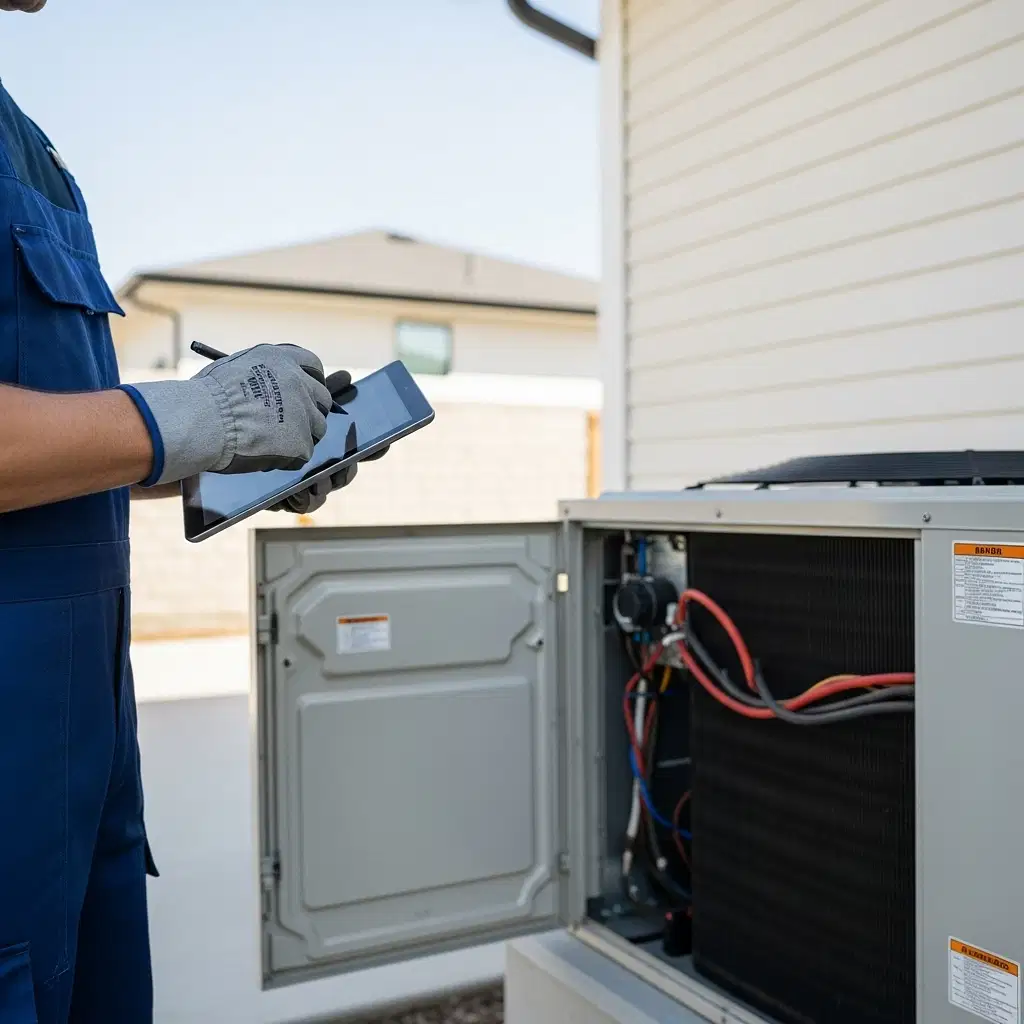
Your air conditioner doesn't just cool the air; it also dehumidifies it. As warm, humid air passes over the cold evaporator coil inside your unit, moisture condenses into water—just like on a cold glass of iced tea. This water drips into a collection pan and is safely channeled outside your home through a pipe called the condensate drain line.
This is the most common source of leaks. Over time, the drain line can become clogged with a buildup of dust, dirt, algae, and other debris. When this happens, the water has nowhere to go. It backs up into the drain pan and eventually overflows, causing a leak inside your home. If you notice musty smells coming from your vents along with the leak, a clogged drain line is the likely culprit. While some minor clogs can be addressed by handy homeowners, a significant blockage often requires professional tools and expertise to clear safely without damaging the pipe.
The Chilling Truth: Frozen Evaporator Coils
It might seem strange that a frozen part could cause a water leak, but it’s another very common issue. The evaporator coil needs a steady flow of warm air passing over it to function correctly. If that airflow is restricted, the coil can get too cold and the condensation on it will freeze solid. The two primary reasons for restricted airflow are:
- A Dirty Air Filter: This is the most frequent cause. A clogged filter blocks air from reaching the coils, leading to freezing. Regularly changing your filter is one of the most important and simple maintenance tasks you can perform.
- Blocked Vents or Ductwork Issues: Closed or blocked supply or return vents can also disrupt airflow.
Another potential cause for a frozen coil is low refrigerant. If your system has a refrigerant leak, the pressure inside the AC system drops, which can also cause the evaporator coil to freeze. When the system eventually turns off or the ice begins to melt, it often produces more water than the drain pan was designed to handle, leading to an overflow. A frozen coil is a serious issue that points to an underlying problem, and if you suspect low refrigerant, it’s crucial to have a certified technician perform a professional Air Conditioner Repair & Maintenance service.
Other Potential Problems to Consider
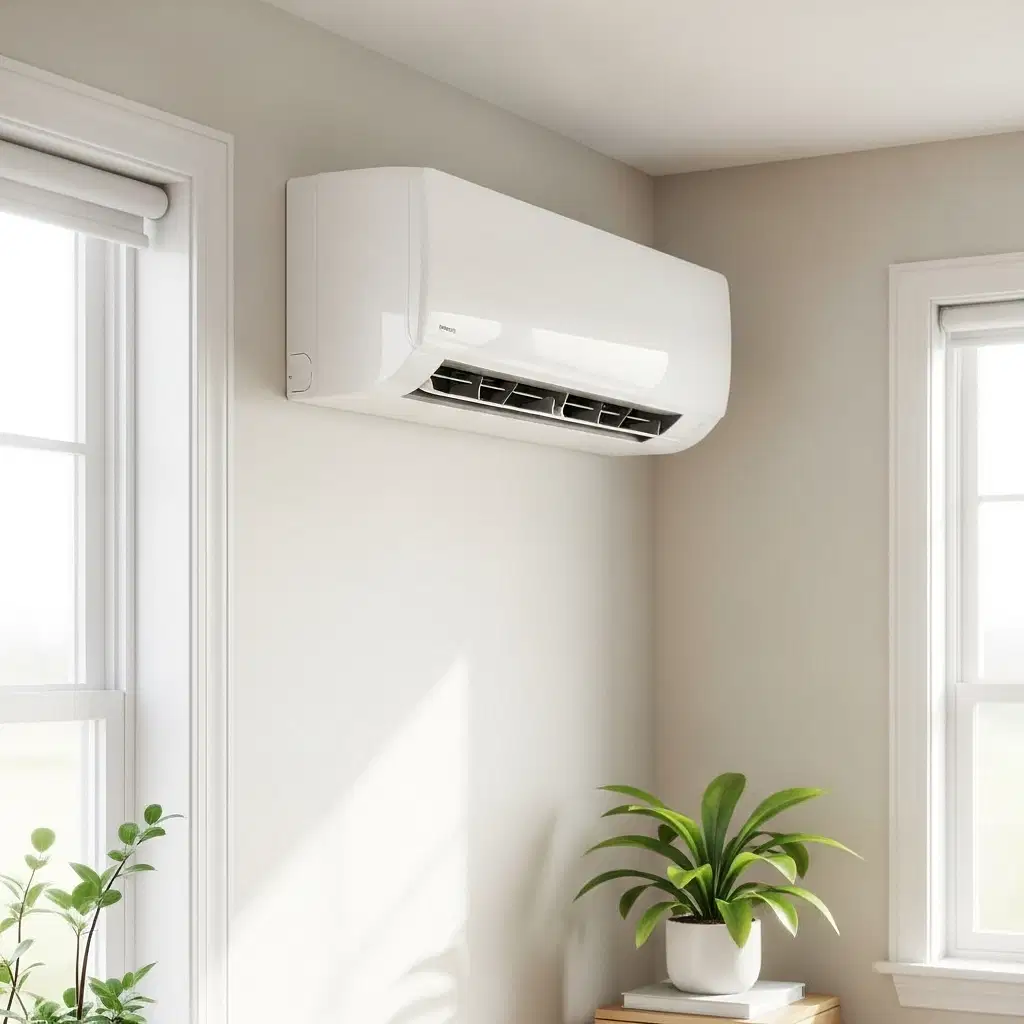
While less common than a clogged drain or frozen coils, a few other mechanical issues can result in your AC leaking water.
- Cracked or Damaged Drain Pan: The pan that sits underneath your evaporator coil can rust, crack, or become damaged with age, especially in older units. If the pan itself is compromised, water will leak out directly instead of being channeled to the drain line.
- Condensate Pump Failure: Some HVAC systems, particularly those installed in basements, use a small pump to move the condensation outside. If this pump breaks or loses power, the water will back up and overflow from the pump’s reservoir.
- Improper Installation: A poorly installed air conditioner might not be level, preventing water from flowing correctly into the drain pan and line. This is why professional installation is so critical for the long-term health and reliability of your system.
What to Do When You Find a Leak
Discovering a water leak from your AC can be stressful, but taking the right steps can prevent further damage. Here’s what you should do:
- Turn Off Your AC System: The first and most important step is to turn off your air conditioner at the thermostat. This will stop the cooling process and prevent more water from being produced.
- Clean Up the Water: Use towels to dry the area around the unit to prevent water damage to your floors, walls, or ceiling.
- Check Your Air Filter: A quick visual inspection of your furnace filter can tell you if it’s dirty. If it looks clogged, replacing it is a simple and effective first step.
While changing a filter is a straightforward task, most other causes of AC leaks require professional diagnosis and repair. Attempting to fix a refrigerant leak or improperly clearing a drain line can lead to bigger, more costly problems. Your comfort and safety are paramount, and a certified technician has the right tools and expertise to identify the root cause and fix it correctly.
If the problem persists after changing the filter, or if you suspect a more serious issue, it's time to call for help. Sometimes, a persistent leak on an older unit may be a sign that it's time to consider a new, high-efficiency Air Conditioner Installation & Replacement to improve reliability and save on energy costs.
Don't Let a Leak Dampen Your Summer
A leaking air conditioner is a clear warning sign that shouldn't be ignored. From a simple clogged drain line to a more complex issue like a frozen evaporator coil, addressing the problem promptly is key to protecting your home and your HVAC system. By ensuring your system is clean and functioning correctly, you can enjoy a cool, comfortable, and worry-free summer.
If you’re dealing with a leaking AC in the Calgary area, don't hesitate to reach out. The expert team at Phillips HVAC is here to provide reliable and transparent service. Contact us today for professional Air Conditioner Repair & Maintenance, and we'll have your system running smoothly in no time.