Why Does Your Furnace Keep Short Cycling?
As the temperatures drop across Calgary, the last thing you want is a heating system that refuses to cooperate. One of the most common and frustrating issues homeowners face during our extreme winter cold is a furnace that repeatedly turns on, runs for a minute or two, and then abruptly shuts off before the house actually gets warm. If you find yourself constantly wondering why does my furnace keep turning on and off, you are likely dealing with a problem known as short cycling.
Short cycling is more than just a nuisance that leaves you shivering in your living room; it is a clear signal that your heating equipment is under distress. A normal heating cycle should last roughly 10 to 15 minutes, allowing the system to efficiently reach the temperature set on your thermostat. When a furnace short cycles, it works overtime, stopping and starting in rapid bursts. This constant stopping and starting puts incredible strain on the internal components, leading to higher energy bills, a less comfortable home, and a significantly shortened lifespan for the equipment itself.
Understanding why this happens is the first step in restoring comfort to your home. In a region where a sudden Chinook can send temperatures swinging wildly within hours, having a reliable, efficiently running furnace is not just about comfort—it is about the safety and protection of your home. Let us dive into the common reasons behind this issue, some furnace short cycling troubleshooting tips you can try yourself, and when it is time to call in a professional to get your system back on track.

Common Culprits: What Causes Your Furnace to Short Cycle?
When trying to figure out how to stop furnace from short cycling, it is helpful to look at the most frequent offenders. Many of these issues are built-in safety mechanisms designed to prevent the furnace from overheating or leaking hazardous gases.
One of the most frequent issues we encounter is a dirty flame sensor causing furnace to shut off. The flame sensor is a vital safety component that detects whether a flame is present when the gas valve is open. If the sensor is coated in dust, carbon buildup, or grime, it will fail to register the flame. As a safety precaution, the system will immediately shut down the gas supply to prevent a dangerous buildup of unburned gas, resulting in a system that fires up and shuts down almost instantly.
Another highly common cause of short cycling is restricted airflow, typically due to a severely clogged or dirty air filter. When the filter is packed with dust, pet hair, and debris, the blower motor has to work excessively hard to push air through the system. This lack of airflow traps heat inside the heat exchanger. Once the internal temperature reaches a critical level, the high limit switch triggers the furnace to shut off to prevent it from overheating and catching fire.
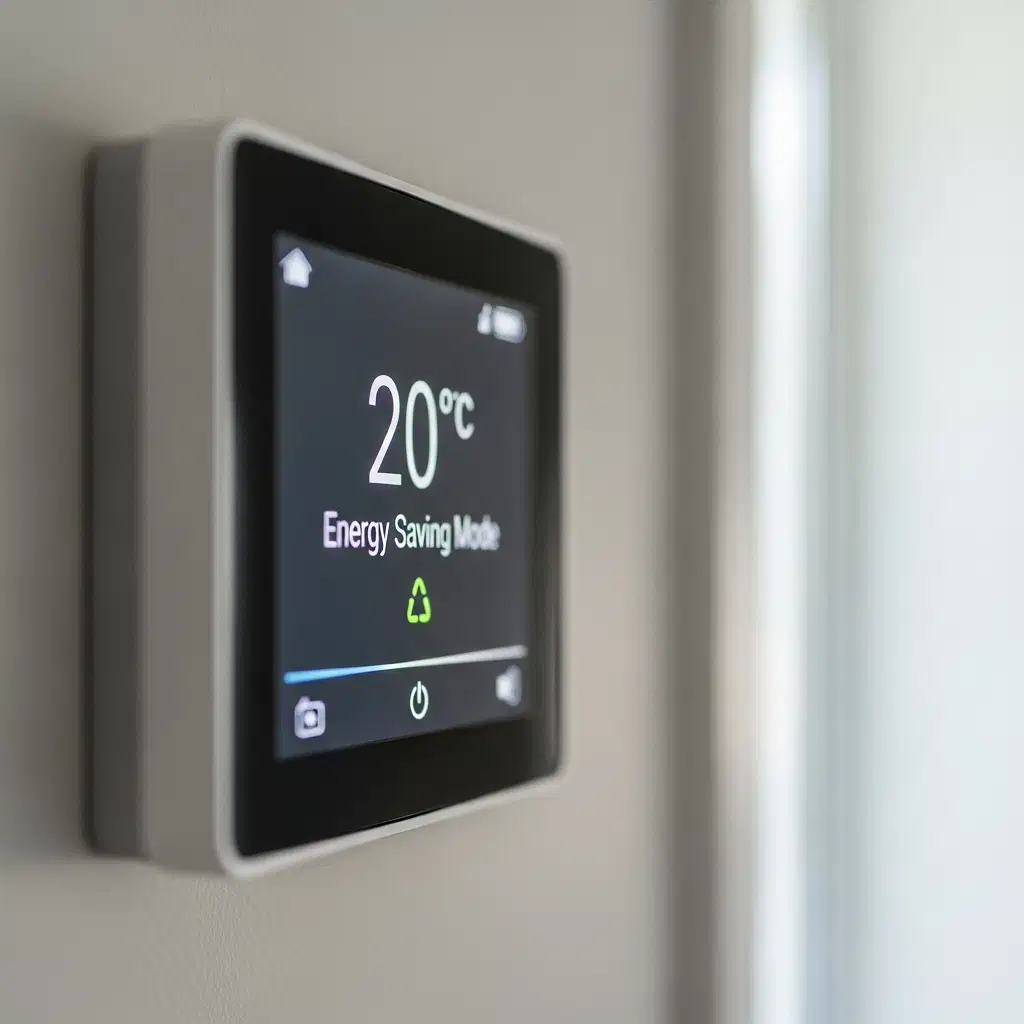
Thermostat issues can also be to blame. If your thermostat is located in an area that receives direct sunlight, or is too close to a heat register or a drafty window, it can get false readings about the overall temperature of your home. This leads the system to believe the house has reached the desired temperature prematurely, shutting off the heating cycle before the rest of your home is adequately warmed. Upgrading to modern smart thermostats with remote room sensors is a fantastic way to eliminate these false readings and ensure balanced, consistent heating throughout your home.
How to Address the Problem and Protect Your Investment
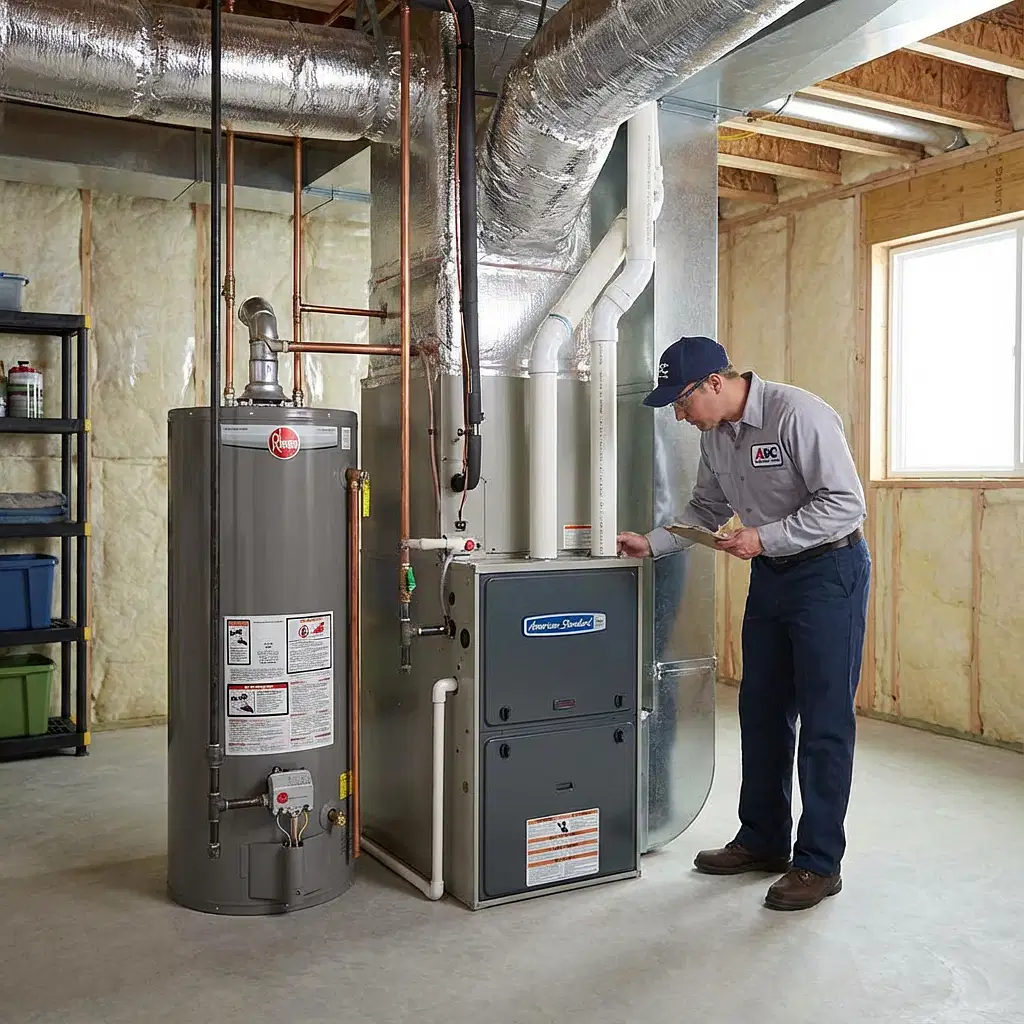
If you are experiencing short cycling, there are a few basic troubleshooting steps you can take before calling for hvac services. First, check your air filter. If you hold it up to a light and cannot see through it, it is time for a replacement. Simply swapping out a choked filter can sometimes resolve overheating issues immediately. Secondly, check your home's air vents and return registers. Ensure they are fully open and unobstructed by heavy furniture, rugs, or drapes to guarantee proper airflow throughout the ductwork.
However, if you have checked the filter and the vents and your system is still rapidly turning on and off, it is time to rely on professional furnace repair. Attempting to clean a delicate flame sensor or replacing a faulty high limit switch without the proper training can lead to permanent damage or serious safety hazards.
With a severe shortage of certified Red Seal HVAC technicians across the country, finding reliable help during peak winter demand can be challenging. At Phillips HVAC, our licensed experts have the diagnostic tools and experience to pinpoint exactly what is causing your system to fail. We understand that consumers worry about how much it costs to fix these issues. That is why we provide transparent, upfront pricing with no hidden fees, ensuring you receive affordable hvac solutions that fit your budget.
Homeowners often ask how often they should have their system serviced to maintain their warranties. The answer is annually. Investing in a comprehensive hvac maintenance plan ensures that delicate parts like flame sensors are cleaned, moving parts are lubricated, and potential safety hazards are identified long before they turn into an emergency hvac situation in the middle of a freezing night.
Keep Your Home Comfortable All Winter Long
Ignoring a furnace that short cycles is a guaranteed way to accelerate wear and tear, leading to exorbitant heating bills and potentially premature system failure. By staying proactive with routine maintenance and addressing repairs early, you can maximize your energy efficiency and ensure your heating equipment survives everything the harsh Alberta winter throws at it. Furthermore, a well-maintained system is crucial for optimal indoor air quality, filtering out dust and debris before it circulates through your living space.
Whether you need an urgent repair, a routine tune-up to validate your warranty, or you want to explore the integration of smart home diagnostics to prevent future breakdowns, our team is here to help. We are dedicated to keeping Cowtown families warm, safe, and comfortable through every season.
If your heating system is struggling to keep up, do not wait for it to break down completely. Learn more about our furnace repair and maintenance offerings, or contact us today to schedule a visit with one of our certified professionals.