
Troubleshooting Heat Pump Heating Mode Issues
When the temperature drops and the frost settles in, keeping your home warm becomes a top priority. In Calgary, our climate can be incredibly demanding on heating systems. From sudden cold snaps to the rapid temperature swings of a Chinook, your equipment has to work overtime to keep your family comfortable. Over the last few years, cold-climate heat pumps have become an increasingly popular and highly efficient way to heat homes in our region. However, it can be quite alarming when you turn up the thermostat and realize your system isn't responding the way it should.
If you are wondering why your heater is not turning on properly or why your heat pump seems to be struggling against the chill, you are not alone. At Phillips HVAC, we frequently help homeowners navigate these exact concerns. Whether you are dealing with a minor settings issue or need comprehensive heating system repair & maintenance, understanding the basics of how your system operates can save you time, money, and a lot of frustration. Let's explore some of the most common heating mode issues and how you can troubleshoot them effectively before the deep freeze sets in.
Why Is My Heat Pump Blowing Cold Air in Heating Mode?
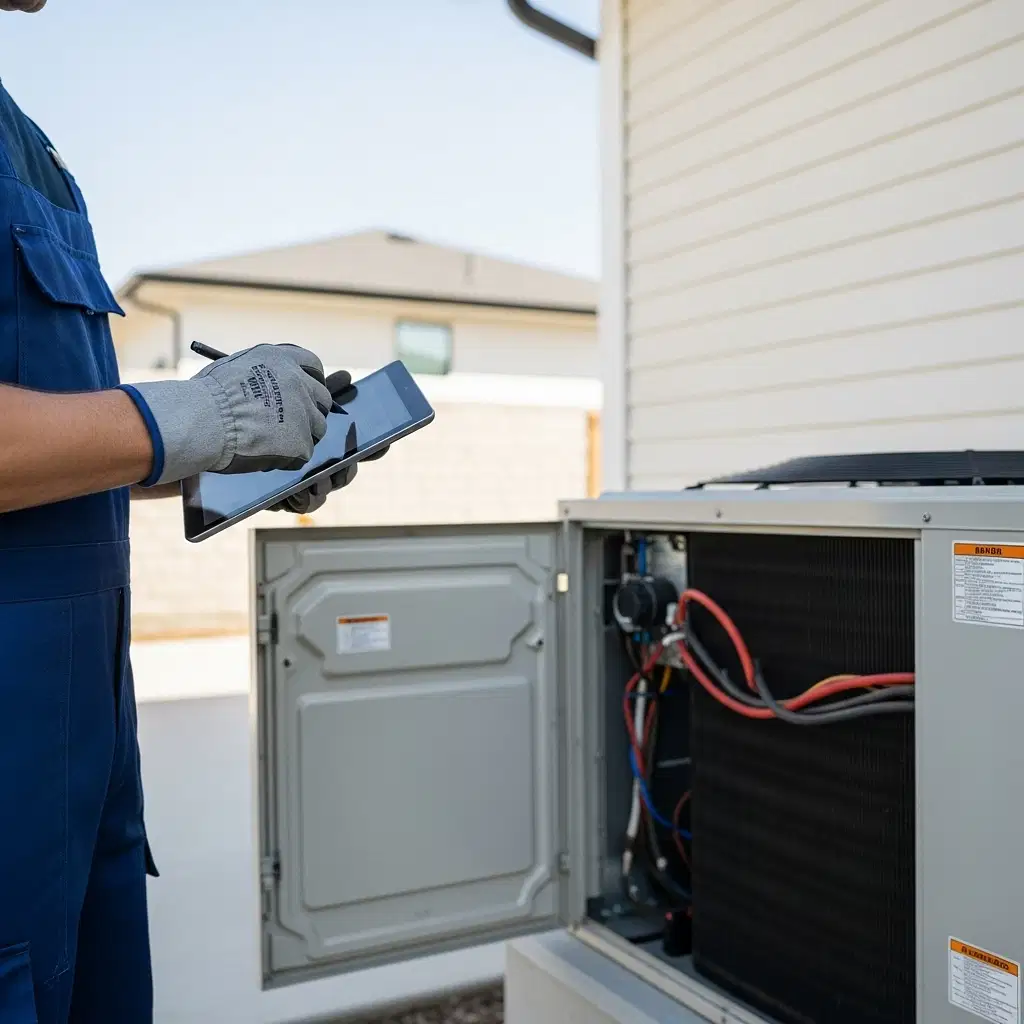
One of the most common questions we hear during the winter months is exactly this: why is my heat pump blowing cold air in heating mode? Before you worry that your system has completely failed, it is important to understand a normal function called defrost mode. When ice builds up on the outdoor unit during freezing weather, the heat pump temporarily reverses its cycle to melt that ice. During this brief period, which usually lasts about 10 to 15 minutes, it may blow cooler air into your home. Once the ice is melted, it should automatically return to heating your home comfortably.
However, if the air remains cold long after a defrost cycle should have finished, there might be an underlying issue. A dirty air filter can severely restrict airflow, causing the system's internal safety switches to trip and shut down the heating elements. Simply checking and replacing a clogged filter is a great first step. Another culprit could be a low refrigerant charge due to a leak. Refrigerant is the lifeblood of your heat pump; without enough of it, the system cannot absorb and transfer enough heat from the outside air, even with advanced cold-climate heat pump technology designed to operate efficiently in extreme negatives.
The Reversing Valve and Switching Modes
A heat pump provides both heating and cooling by reversing the flow of refrigerant. The component responsible for this crucial function is the reversing valve. If you notice your heat pump not switching to heat mode as the seasons change, this valve may be physically stuck or experiencing an electrical issue.
Troubleshooting heat pump reversing valve failure is generally not a do-it-yourself project. The valve is deeply integrated into the pressurized refrigerant cycle, and diagnosing it requires testing the electrical solenoid that controls it, as well as checking the system's internal pressures. If you hear a clicking sound at the outdoor unit but the mode does not change, or if you are only getting air conditioning when you desperately need warmth, it is time to have a certified technician take a look. We can accurately diagnose whether the solenoid coil has failed or if the entire valve needs replacement.
When Your Auxiliary Heat Won't Turn Off
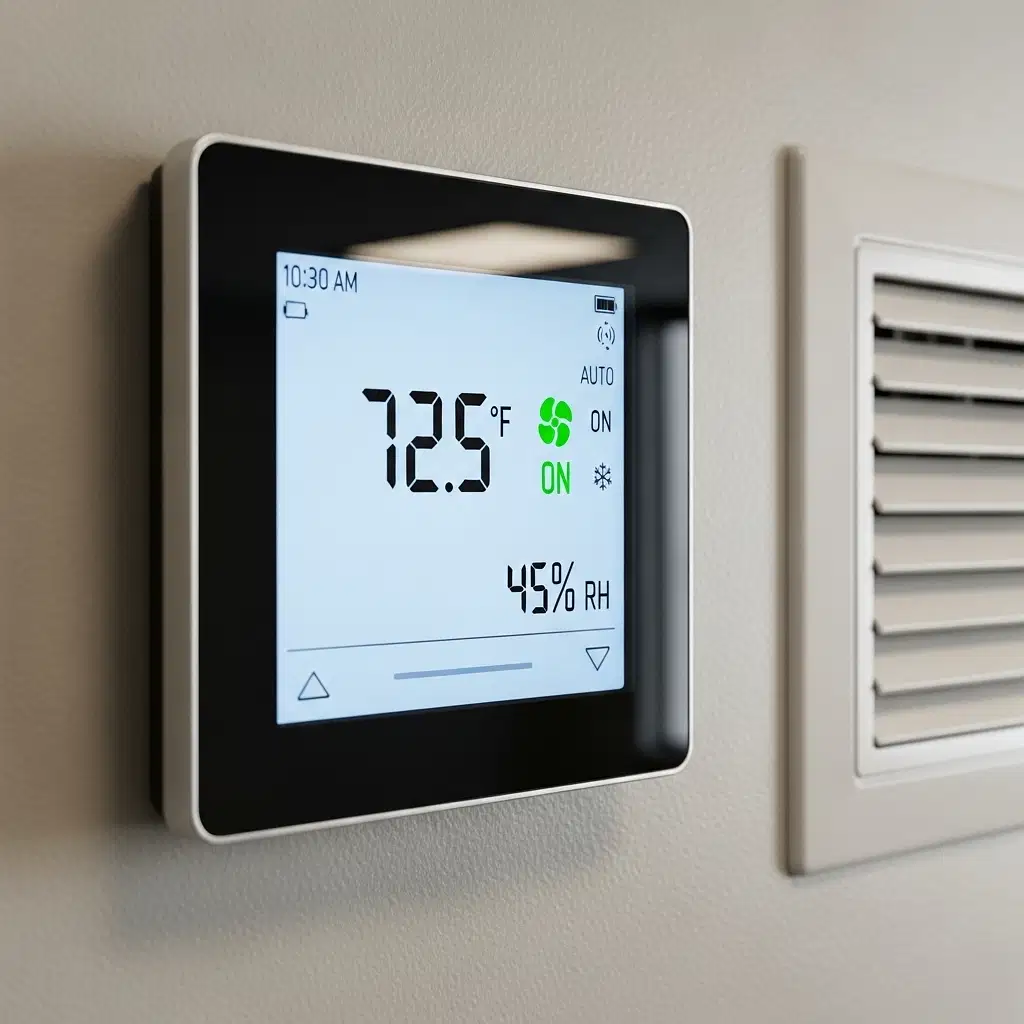
To handle the most extreme drops in temperature, many modern heat pumps are paired with a backup heat source, typically a gas furnace, creating a dual-fuel or hybrid heating system. This backup is often referred to as auxiliary heat on your thermostat. It is perfectly normal for this secondary system to kick on when the outdoor temperature plummets below your heat pump's efficiency balance point. But if you find your heat pump auxiliary heat running constantly, even during relatively mild weather, it is a clear sign that something is amiss.
Continuous auxiliary heating usually means the primary heat pump is locked out or failing to produce enough heat, forcing the backup system to carry the entire load. This can cause a dramatic and unwelcome spike in your monthly utility bills and increase your carbon footprint. The root cause could be a faulty outdoor sensor sending incorrect temperature data to your thermostat, compressor issues, or even a simple thermostat misconfiguration. Ensuring your smart thermostat is properly programmed for our unique weather patterns is crucial. If your system seems stuck in backup mode, having a professional evaluate the communication between your thermostat, heat pump, and backup furnace will ensure you are getting the energy-efficient performance you expect.
Keeping Your Home Comfortable All Winter Long
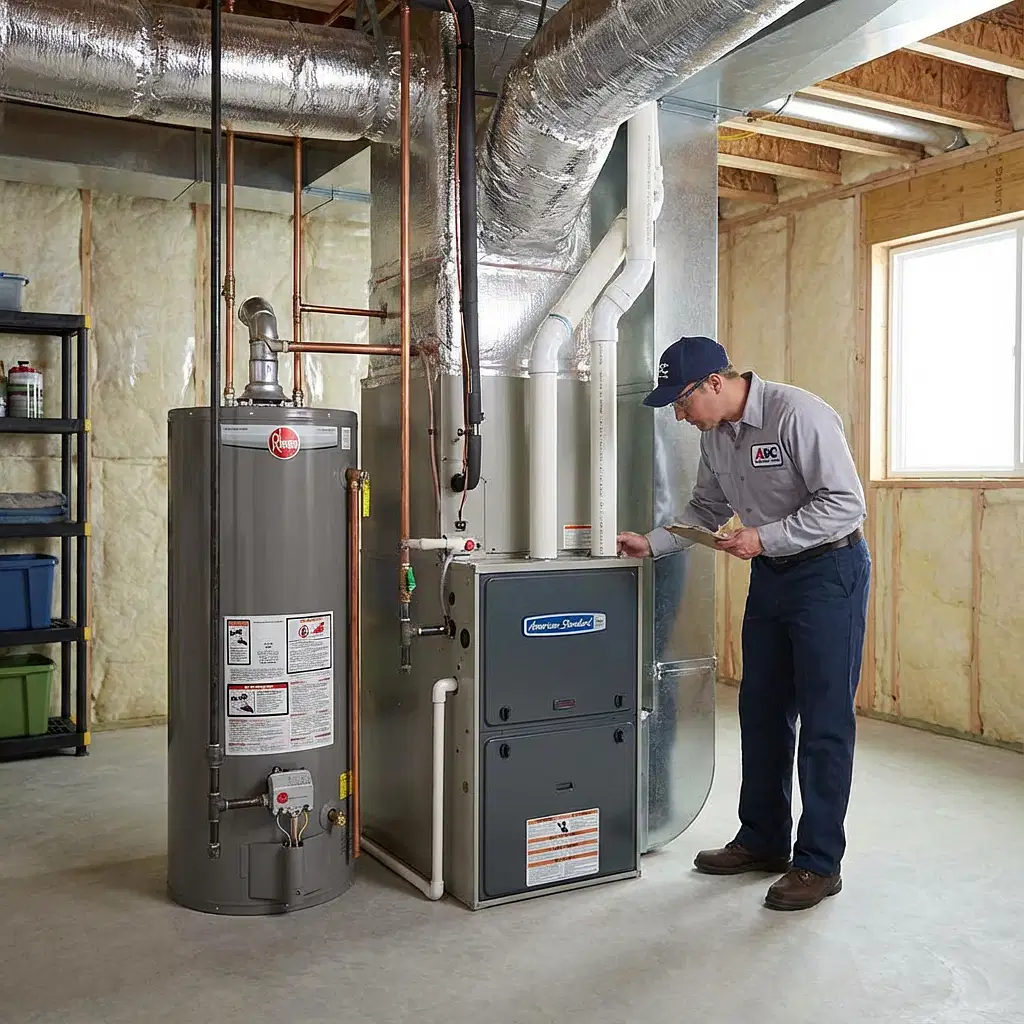
Dealing with our famous dry cold can be tough on any heating system, but you do not have to manage it alone. Regular maintenance is the most effective way to prevent these stressful mid-winter breakdowns and maximize the lifespan of your equipment. Having a certified journeyman technician inspect your reversing valve, check refrigerant levels, and ensure your auxiliary heat transitions smoothly will give you peace of mind before the heavy snow arrives.
From the older historic homes in the Inner City to the sprawling neighborhoods of the Deep South, Phillips HVAC is committed to keeping your family safe and warm without any high-pressure sales tactics. We believe in transparent, upfront diagnostics and providing the exact solutions you need to restore your home's comfort reliably and efficiently. If you are struggling with a system that refuses to cooperate or just want to ensure everything is running at peak performance, don't wait for the temperature to drop further. Reach out to our team today to schedule your heat pump repair & maintenance and ensure your system is perfectly tuned for whatever the winter season throws our way.