Is Your Furnace Blower Motor Failing? A Calgary Homeowner's Guide
There are few sounds more unsettling than silence when your furnace should be running, especially during a Calgary deep freeze. Another is a sudden, strange noise—a squeal, a rattle, or a loud bang—coming from your vents. When your home’s comfort is on the line, the problem often points to one critical component: the furnace blower motor. This is the heart of your heating system, responsible for circulating warm air throughout your home. When it struggles, your comfort struggles with it. Understanding the warning signs of a failing blower motor can help you address the issue before you’re left in the cold. This guide will walk you through common symptoms, potential causes, and what steps to take to get your heat back on track.
What Exactly Does a Blower Motor Do?
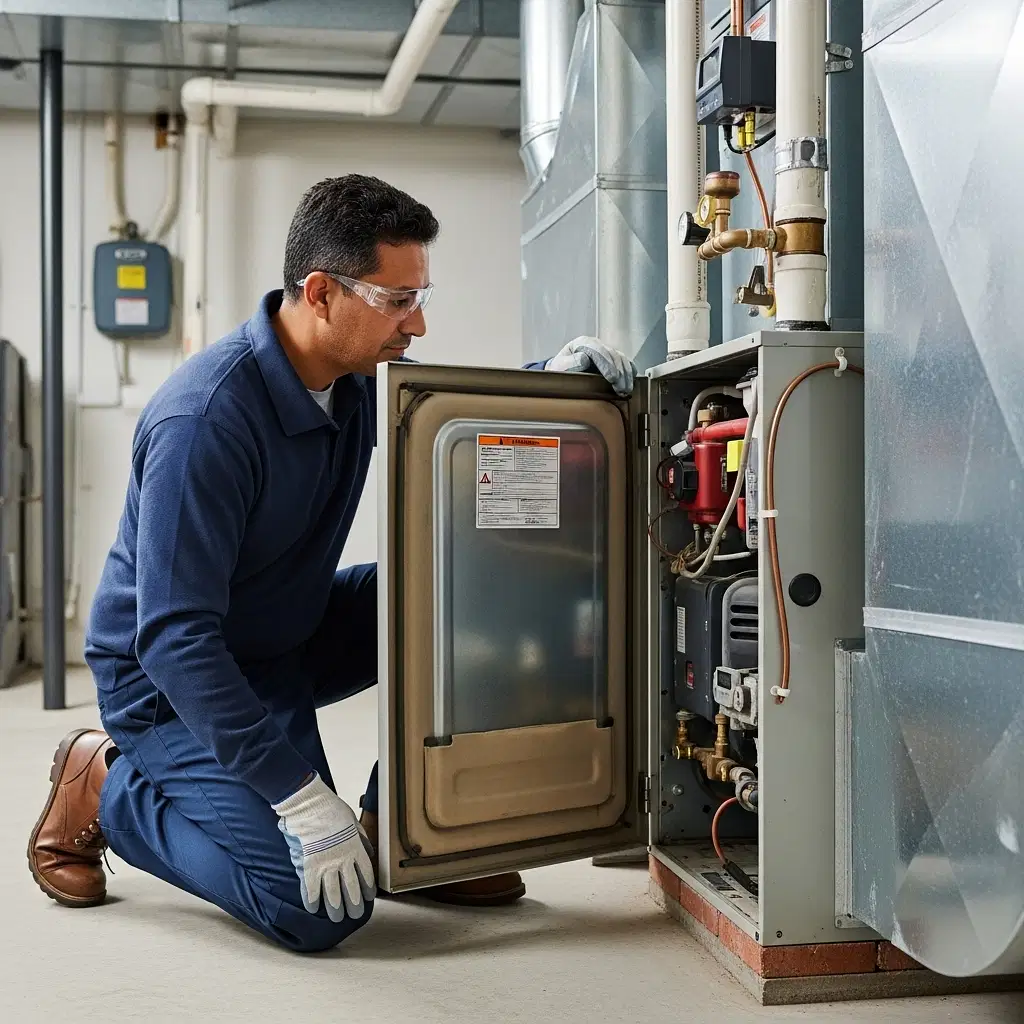
Think of your furnace blower motor as the lungs of your HVAC system. After the burners heat the air, the blower motor’s fan is what pushes that warm air through your ductwork and into every room of your house. Without it, the heat your furnace generates would be trapped, unable to reach you. It also plays the same role for your air conditioning system in the summer, circulating cool air. Because it operates year-round, it’s one of the hardest-working parts of your entire HVAC system, making it susceptible to wear and tear over time.
5 Telltale Signs of a Failing Furnace Blower Motor
Blower motors rarely fail without warning. Paying attention to subtle changes in your furnace's operation can help you catch a problem early. Here are the most common signs that your blower motor needs attention:
- Strange Noises: This is often the first red flag. A high-pitched squealing can indicate a problem with the belt or bearings, while a loud rattling or banging noise might mean a component is loose or broken. Don't ignore these sounds; they are your furnace’s way of asking for help.
- Weak or No Airflow: If you hold your hand up to a vent and feel very little air coming out, or none at all, the blower motor is likely struggling. The fan may not be spinning fast enough—or at all—to push the air effectively through the ducts.
- The Furnace Overheats and Shuts Down: Your furnace has safety sensors that will shut the system down if it gets too hot. If the blower motor isn't moving air away from the heat exchanger, this buildup of heat will trigger a shutdown. If your furnace runs for a few minutes and then turns off repeatedly, a faulty blower motor is a prime suspect.
- Unusually High Energy Bills: A motor that is failing has to work much harder to do its job, drawing more electricity in the process. If you notice a sudden, unexplained spike in your utility bills during heating season, a struggling blower motor could be the culprit.
- The Fan Doesn't Start or Stop Correctly: Does the fan take a long time to kick in after the heat starts? Or does it continue running long after the heating cycle has finished? These timing issues can point to electrical problems with the motor or its related components.
Common Causes of Blower Motor Failure
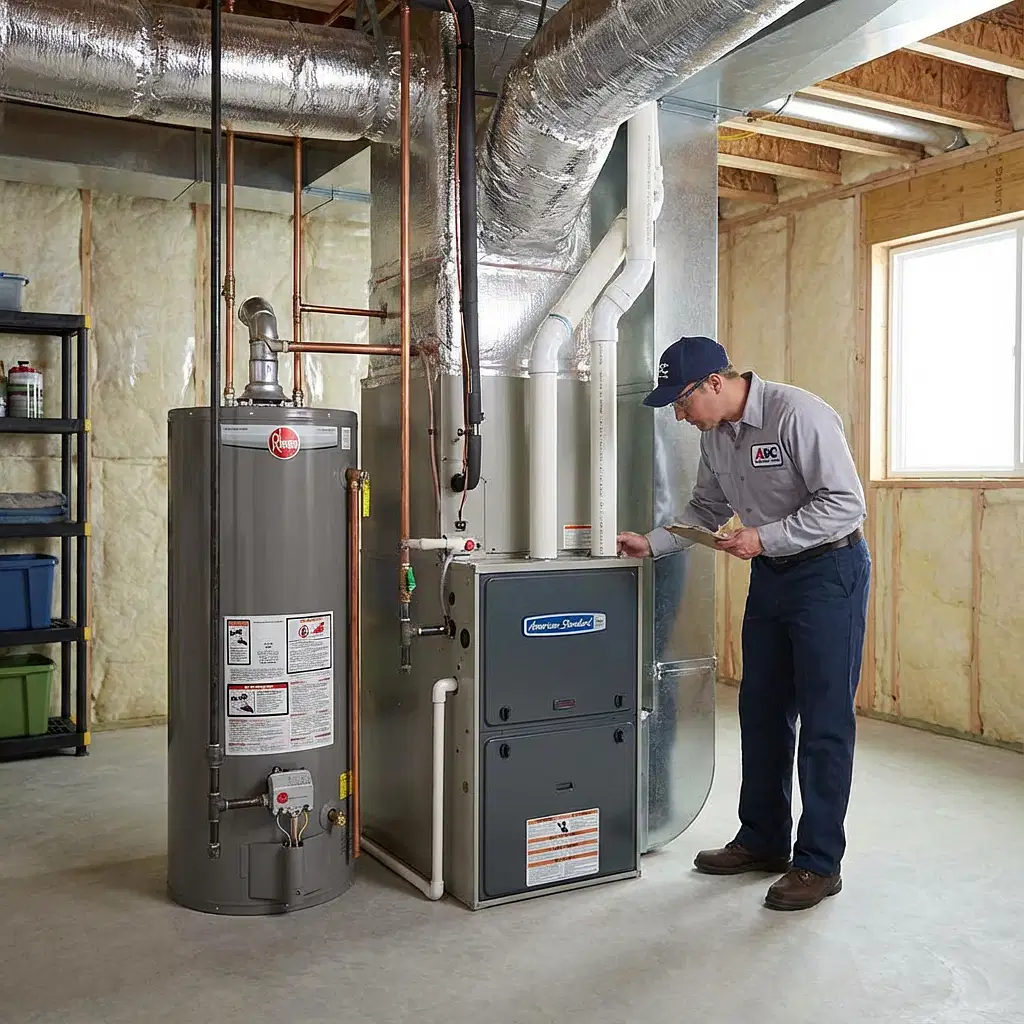
Understanding why a blower motor fails can help prevent future issues. More often than not, the root cause is related to maintenance and age.
- Dirt and Debris: A dirty air filter is the number one enemy of your blower motor. When the filter is clogged, the motor has to strain to pull air through, leading to overheating and premature failure. Dust and dirt can also accumulate directly on the fan blades and motor components, causing imbalance and strain.
- Lack of Maintenance: Like any mechanical part, blower motors benefit from regular cleaning and lubrication. Without routine check-ups, bearings can wear out and parts can fail. A comprehensive furnace maintenance plan is the best way to extend the life of your motor.
- Age and Wear: Blower motors have a typical lifespan of 10-20 years. In a climate like ours, where furnaces work hard for months on end, that lifespan can sometimes be shorter. As the motor ages, its components simply wear out.
- Electrical Issues: Problems with the capacitor, relays, or control board can prevent the motor from getting the power it needs to start or run properly. These are issues that require a certified technician to diagnose safely.
Repair or Replace? Making the Right Decision
When faced with a failing blower motor, the big question is whether to repair the component or replace the entire furnace. The answer depends on a few key factors:
- Cost of the Repair: Replacing a blower motor can be a significant expense. You'll need to weigh the cost of a new motor against the age and condition of the rest of your furnace.
- Age of Your Furnace: If your furnace is over 15 years old, investing a large sum in a new motor might not be the most economical choice. An older unit is likely less efficient, and other components could be nearing the end of their lifespan as well.
- Overall System Efficiency: A new, high-efficiency furnace can provide significant savings on your energy bills, which can help offset the initial investment. It may be more cost-effective in the long run to upgrade the entire heating system rather than repair an aging one.
A professional technician can provide a clear diagnosis and present you with honest options, helping you understand the costs and benefits of each choice so you can make an informed decision for your home and budget.
Don't Get Left in the Cold – We're Here to Help
Your furnace's blower motor is essential for keeping your home warm and comfortable, especially when a Chinook wind suddenly drops the temperature. If you're hearing strange noises, experiencing weak airflow, or your system is short-cycling, don't wait for a complete breakdown. The expert technicians at Phillips HVAC have the skills and experience to accurately diagnose blower motor issues and perform reliable repairs.
For professional and trustworthy furnace repair services in the Calgary area, trust our team to restore your home's comfort. Contact us today to schedule a service call and get your heating system running smoothly again.