Furnace Repair vs. Replacement: A Decision Guide for YYC Homeowners
When a sudden Chinook rolls in, bringing massive temperature swings to the area, your home's heating system works overtime to keep up with our unpredictable Foothills weather. If you live in Calgary, you know that a reliable heating system isn't just a luxury—it's an absolute necessity for your family's safety and comfort. But when your heater starts making strange noises, blowing cold air, or refusing to turn on altogether, you are faced with a significant dilemma: is it time to fix the old unit, or should you upgrade entirely?
Deciding between furnace repair and a full replacement can be stressful, especially when balancing household budgets against rising utility costs and the ever-present threat of extreme winter cold snaps. Making the wrong choice can lead to recurring breakdowns and mounting expenses. At Phillips HVAC, we understand how overwhelming this decision can be. We've built our reputation on helping local families make informed, pressure-free choices about their home comfort.
This guide will help you understand how to know when to replace your furnace, evaluate a proper furnace repair versus replacement cost comparison, and make the most financially sound choice to keep your home warm and efficient all winter long.
Signs an Aging Furnace is Failing
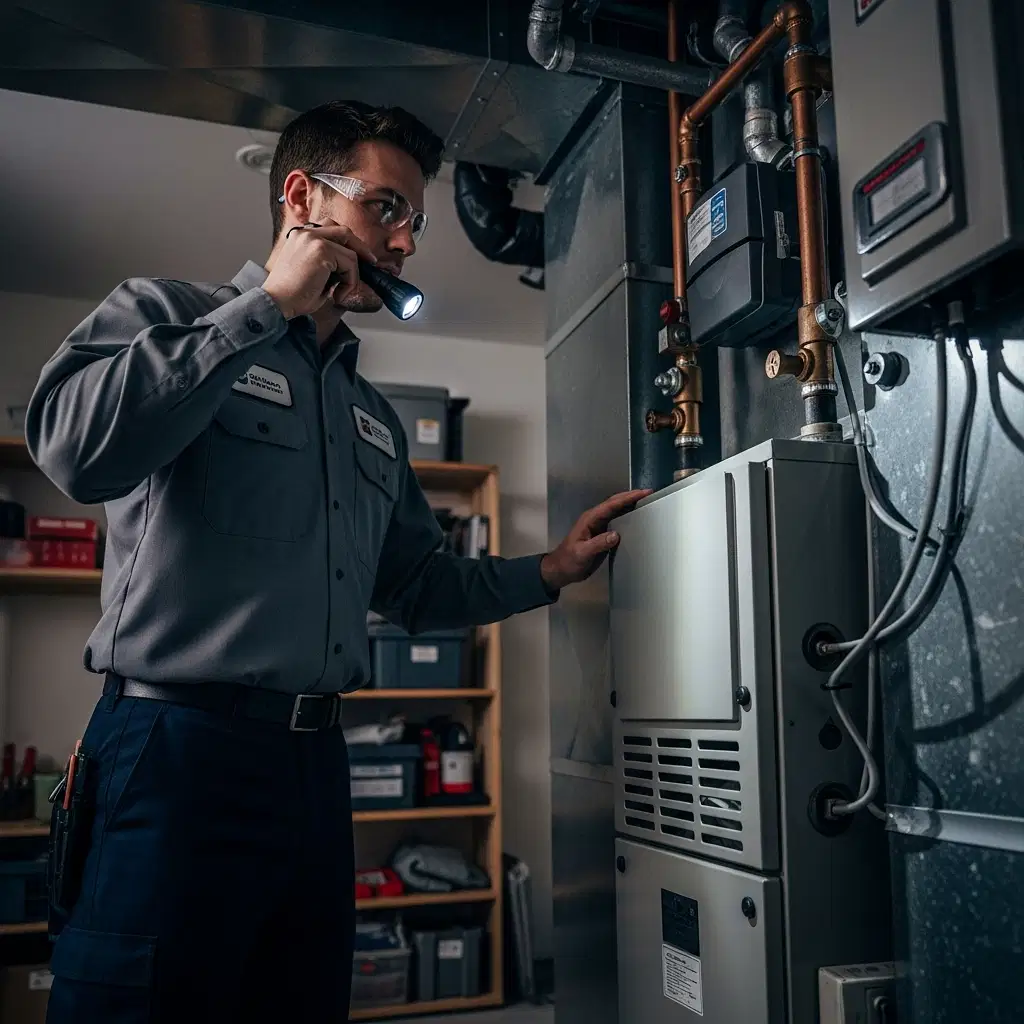
One of the most common questions we hear from homeowners is about the average lifespan of a home furnace in cold climates. Here in Alberta, where heating systems run heavily for more than half the year, a standard gas furnace typically lasts between 15 and 20 years. If your unit is approaching or has surpassed this age milestone, it is operating on borrowed time.
However, age isn't the only indicator you should monitor. Even a system that is only a decade old can experience premature failure if it hasn't received regular maintenance. You should be on the lookout for several key signs an aging furnace is failing:
- Increasing Utility Bills: As heating systems wear down, their internal components lose efficiency. If your natural gas bills are steadily climbing despite normal usage and thermostat settings, your unit is likely struggling to produce heat and wasting energy in the process.
- Frequent Breakdowns: If you find yourself repeatedly calling for emergency service, those repair bills add up quickly. A good rule of thumb is that if a system requires more than two major repairs in a single season, it may be time to look at full replacement options.
- Uneven Heating: Are some rooms in your home sweltering while others remain freezing cold? This could indicate a failing blower motor, a cracked heat exchanger, or a system that is simply no longer capable of distributing conditioned air properly throughout the house.
- Strange Noises and Odors: Occasional clicks are normal when a system cycles on, but rattling, banging, or squealing sounds are cause for concern. Similarly, persistent metallic, dusty, or burning odors can signal serious mechanical or electrical issues that require immediate professional attention to prevent safety hazards.

Furnace Repair Versus Replacement Cost Comparison
When your system breaks down in the middle of a January freeze, the initial instinct is usually to opt for the fastest, cheapest fix to get the heat flowing again. However, a proper furnace repair versus replacement cost comparison requires looking at the long-term financial picture rather than just the immediate invoice.
Industry professionals generally recommend using the '5,000 Rule' to guide this decision. Multiply the age of your equipment by the estimated cost of the repair. If the total exceeds 5,000, replacing the unit is almost always the better financial decision over time. For example, if you have a 12-year-old furnace and the repair estimate is $500 (12 x 500 = 6,000), it is highly recommended to invest that money into a new system instead of applying a band-aid to an expiring unit.
Furthermore, rising equipment and inventory costs can make major repairs on older, discontinued models incredibly expensive. It is also important to consider the logistics of repeated service calls. During severe winter driving conditions, getting a technician out to your home for multiple emergency repairs can be highly disruptive.
When you choose a new furnace installation, you aren't just paying for the equipment; you are investing in a comprehensive warranty, a significantly lower risk of emergency breakdowns, and advanced technology that operates much more efficiently. Upgrading also gives you the perfect opportunity to address our notorious dry cold by integrating a whole-home humidifier into your new setup, drastically improving your indoor air quality and preventing the cracked skin and static shocks that plague winters.
Leveraging High Efficiency and Rebates
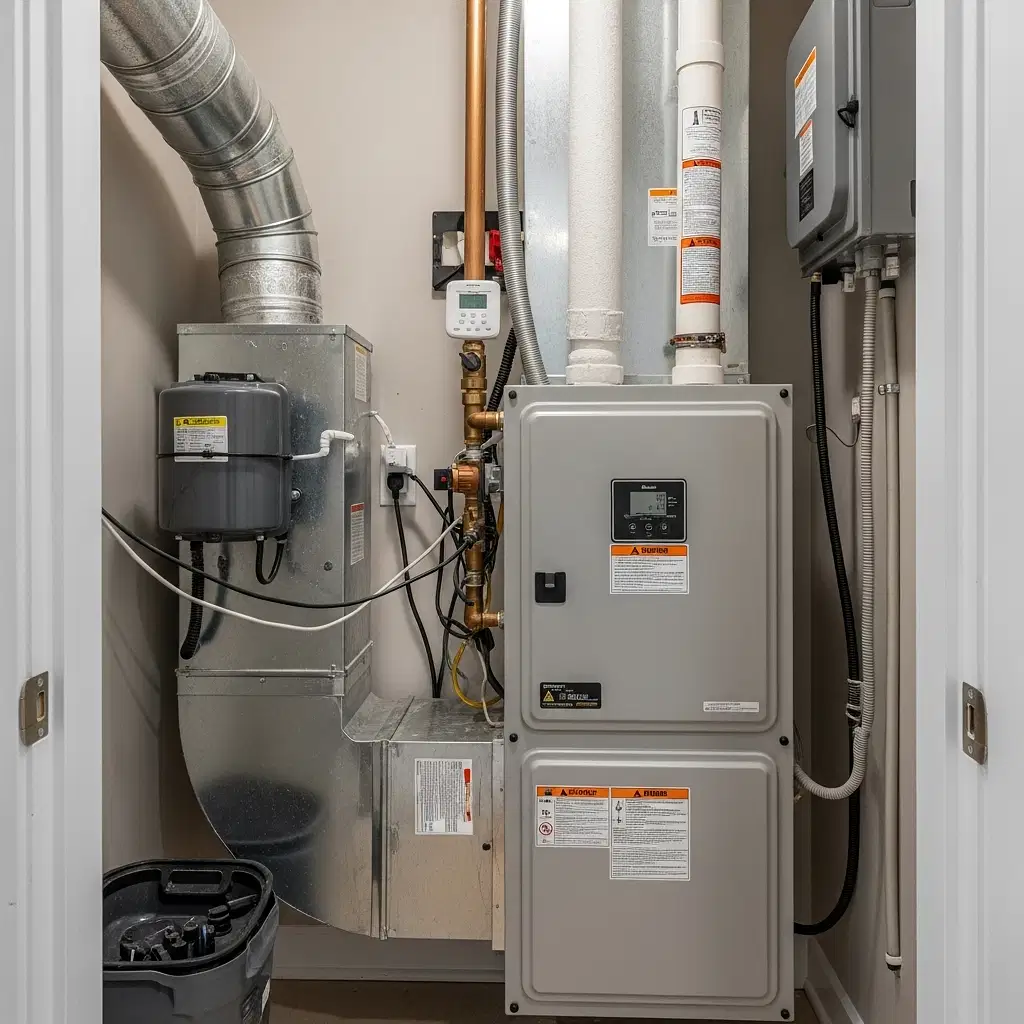
In today's economic climate, local homeowners are feeling the pinch of rising carbon taxes on natural gas. This regulatory shift makes the transition to high-efficiency systems not just environmentally responsible, but financially necessary to keep monthly expenses manageable. Modern condensing furnaces boast AFUE (Annual Fuel Utilization Efficiency) ratings of 96% or higher, meaning nearly all the fuel they consume is converted directly into usable heat for your home, with very little wasted through exhaust.
Additionally, the initial cost of a furnace replacement can be substantially offset by leveraging available municipal and federal rebate programs. Initiatives like the Clean Energy Improvement Program (CEIP) and various federal grants offer excellent low-interest financing and cash rebates for upgrading to energy-efficient models like hybrid heating systems or cold-climate heat pumps.
Whether you live right in the inner city or down in the Deep South suburbs, taking advantage of these government incentives can make a premium, highly efficient system much more affordable than you might initially think. Our licensed, Red Seal certified technicians are highly experienced in helping you navigate these options so you get the most value out of your investment.
Making the Right Choice for Your Home
Ultimately, deciding whether to repair or replace your heating equipment comes down to safety, comfort, and long-term financial savings. If your unit is relatively young, has been properly maintained, and is facing a minor mechanical issue, a simple repair is absolutely the right call to make. But if you are constantly pouring money into an aging clunker that leaves your family shivering during the next deep freeze, upgrading to a modern system is the safest, smartest bet.
At Phillips HVAC, our priority is providing transparent, flat-rate pricing with zero-pressure consultations. We want to ensure that Cowtown residents always have a reliable, warm, and safe home to return to, no matter what the weather is doing outside.
If you're unsure about the current state of your heating system, don't wait for a complete breakdown in the middle of a winter night. Contact our experienced team today to request a professional evaluation. We can provide you with straightforward furnace installation and replacement quotes, or schedule a comprehensive maintenance check to keep your existing unit running strong. Reach out to Phillips HVAC today, and let us help you achieve year-round comfort.