Don't Sweat the Summer: Your Guide to Preparing Your AC for Calgary Heatwaves
We all know how unpredictable Calgary weather can be. One minute you’re enjoying a mild spring day, and the next, a summer heatwave settles in. The last thing you want is to switch on your air conditioner for the first time only to be met with warm air, strange noises, or worse—nothing at all. Getting caught without a working AC during our hottest days isn't just uncomfortable; it can be a major disruption.
Preparing your air conditioning system before the heat arrives is the key to a cool, worry-free summer. A little proactive care ensures your AC runs efficiently, helps you save on energy bills, and prevents costly emergency repairs. This guide will walk you through simple DIY checks, the warning signs that signal you need professional help, and how to decide if it’s time for an upgrade.
Simple Steps You Can Take for a Healthy AC
Before you need to blast the cold air, there are a few simple maintenance tasks you can perform yourself to get your system ready for the season. These steps can significantly improve your AC's performance and efficiency.
1. Check and Replace Your Air Filter A clogged, dirty filter is one of the most common causes of AC problems. It restricts airflow, forcing your system to work harder to cool your home, which drives up energy costs and can lead to premature wear and tear. For most homes, checking the filter monthly and replacing it every 1-3 months is a good rule of thumb. If you have pets or allergies, you may need to change it more frequently.
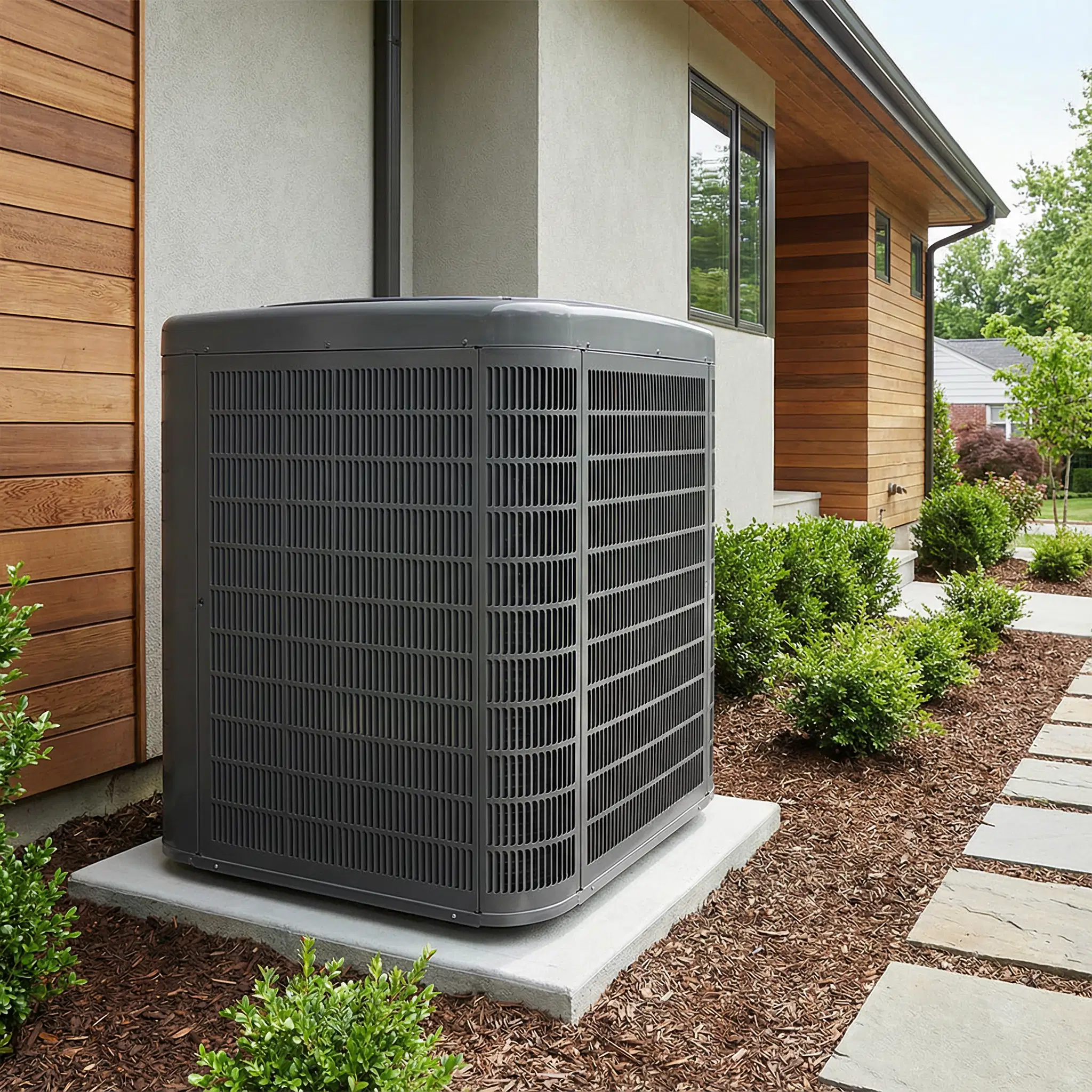
2. Clear the Area Around Your Outdoor Unit Your outdoor condenser unit needs to breathe. Over the fall and winter, leaves, dirt, and other debris can accumulate around it, blocking airflow. Take a few minutes to clear away any vegetation, grass clippings, or objects within a two-foot radius of the unit. This simple step ensures it can effectively release heat and operate efficiently.
3. Test Your Thermostat Turn your thermostat to its 'cool' setting and lower the temperature to see if your AC kicks on properly. If it doesn't respond, you may need to replace the batteries. This is also a great time to consider upgrading to a smart thermostat. These modern devices can learn your schedule, be controlled remotely, and help you optimize your cooling schedule for significant energy savings—a major trend in home comfort.
Warning Signs Your AC Needs Professional Attention
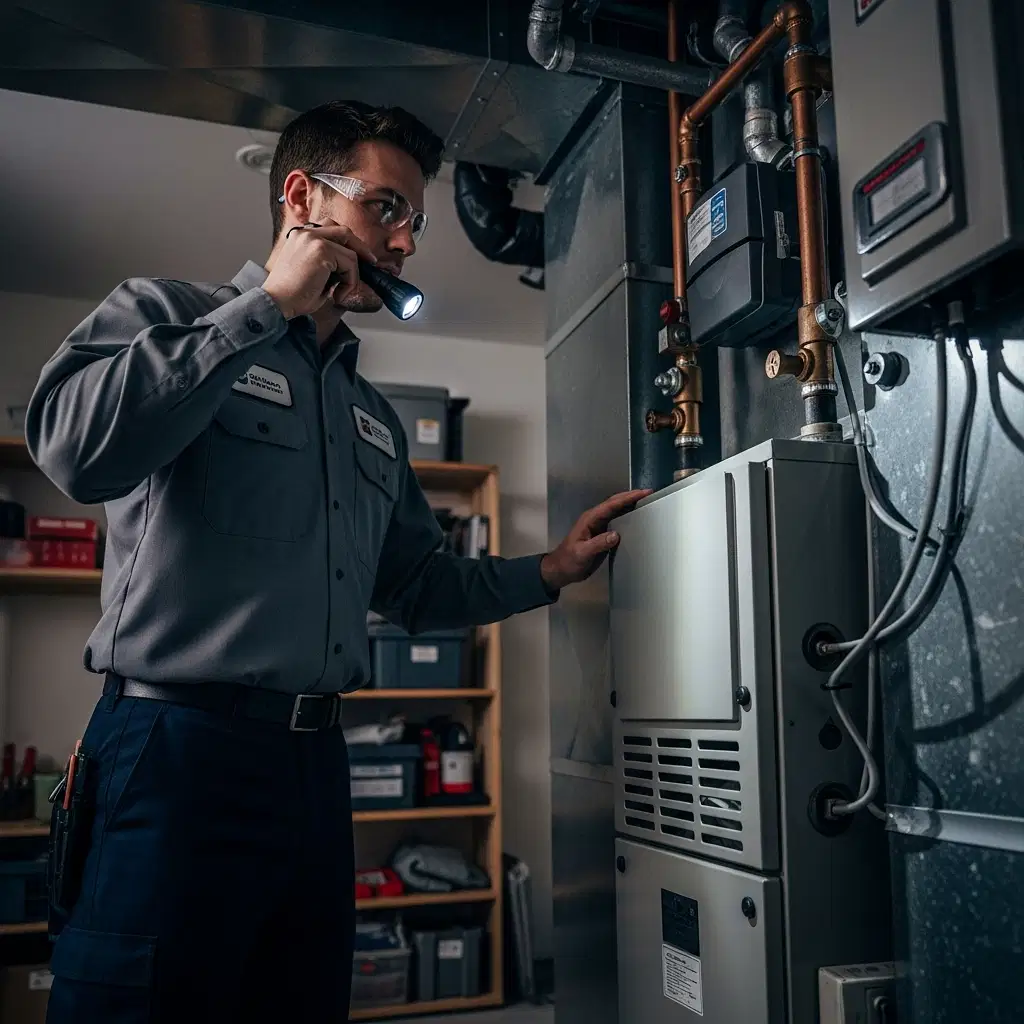
While DIY checks are important, some issues require the expertise of a certified technician. If you notice any of the following signs, it’s best to schedule a professional inspection before a small problem becomes a major breakdown.
- Weak or Warm Airflow: If the air coming from your vents feels weak or isn't as cold as it should be, it could be anything from a dirty filter to a more serious issue like a compressor problem or low refrigerant. An AC not blowing cold air is a clear sign that something is wrong.
- Strange Noises or Odors: Your air conditioner should operate relatively quietly. Loud banging, grinding, or squealing sounds can indicate a mechanical problem with the motor or a loose part. Similarly, musty or burning smells could point to mold in your ductwork or an electrical issue.
- Leaking Water or Ice Buildup: Water pooling around your indoor unit or ice forming on the refrigerant lines is not normal. This often signals a blocked drain line or a refrigerant leak, both of which need immediate professional service to prevent water damage and system failure.
Ignoring these symptoms can lead to more extensive and expensive damage. If you're experiencing any of these issues, it's time to book a professional AC repair and maintenance service.
Repair or Replace? Making the Right Call for Your Home
At some point, every homeowner faces the decision of whether to keep repairing an aging air conditioner or invest in a new one. While a repair might seem cheaper upfront, a replacement can be the more cost-effective and reliable solution in the long run. Here’s how to decide.
Age of Your System: Most air conditioners have a lifespan of 10-15 years. If your unit is in this range or older, it’s likely operating far less efficiently than modern models. Investing in frequent repairs for an outdated system may not be the best use of your money.
Rising Energy Bills: Have your summer electricity bills been creeping up year after year? An aging AC loses efficiency over time, meaning it has to run longer and work harder to cool your home. A new, high-efficiency model can lead to immediate and substantial savings on your utility costs.
Frequency and Cost of Repairs: If you find yourself calling for AC repairs every summer, those costs add up quickly. A good rule of thumb is if a repair costs 50% or more of what a new unit would, replacement is usually the smarter financial choice.
Investing in a new system not only gives you peace of mind but also improves your home's energy efficiency and overall comfort. If you're unsure, we can help you assess your current unit and provide a transparent quote for a new AC installation.
Stay Cool and Comfortable with Phillips HVAC
Preparing your AC for summer doesn't have to be a chore. By performing a few simple checks and knowing when to call in the experts, you can ensure your home remains a cool oasis all season long. Proactive maintenance is the best way to guarantee reliability, maximize energy efficiency, and avoid the stress of a mid-heatwave breakdown.
Whether you need a routine tune-up to get your system in peak condition or you're considering an upgrade to a modern, high-efficiency unit, the certified technicians at Phillips HVAC are here to help. We provide reliable air conditioner repair and maintenance as well as expert installation and replacement services for homeowners across Calgary. Contact us today to schedule your service and enjoy a cool, comfortable summer.