
Do Cold-Climate Heat Pumps Really Work in Sub-Zero Weather?
When winter settles over Calgary, we all know how biting the cold can get. Between the deep freezes of January and the wild temperature swings that accompany a sudden Chinook, keeping a home consistently warm can feel like a full-time job. For decades, the standard answer to our freezing temperatures has been a high-efficiency gas furnace. However, with shifting energy policies, rising carbon taxes, and incredible leaps in heating technology, many homeowners are asking a very pertinent question: do heat pumps work below freezing?
The short answer is a resounding yes. Modern cold-climate heat pumps are vastly different from the units built just a decade ago. While older technology struggled when the temperature dropped below freezing, today's advanced systems are engineered specifically for northern climates. They offer an energy-efficient, environmentally conscious way to heat your home, even when the air outside feels dangerously cold. If you are looking for ways to lower your winter heating bills while increasing your home's energy efficiency, understanding how these systems operate is the perfect place to start.
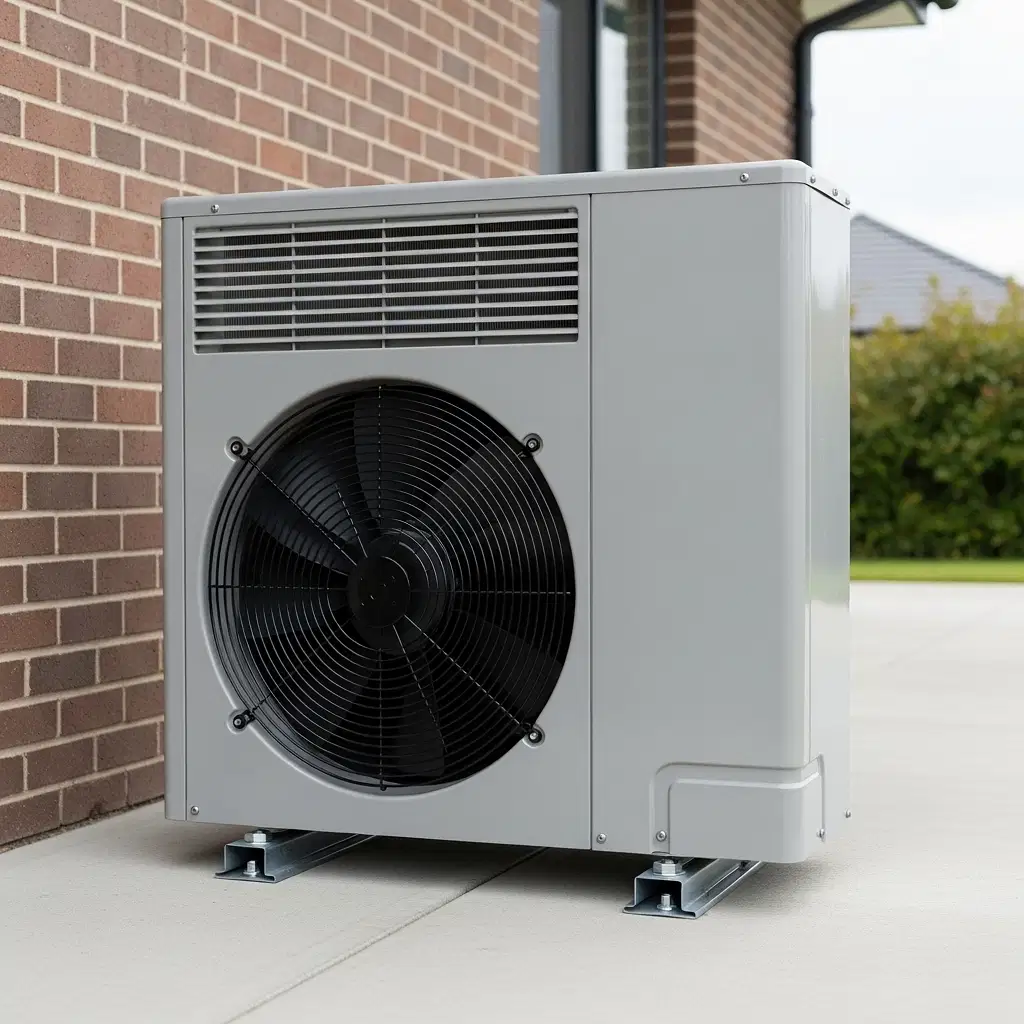
Defying the Freeze: The Technology Behind the Heat
To understand air source heat pump heating capacity in subzero weather, it helps to look at how they work. Unlike a furnace that burns fuel to create heat, a heat pump transfers heat from one place to another. Even when it is extremely cold outside, there is still ambient thermal energy in the air. Modern cold-climate systems utilize variable-speed compressors and advanced refrigerants to absorb this trace amount of heat, compress it to a higher temperature, and transfer it into your home.
Historically, homeowners worried about cold climate heat pump low temperature performance, and rightly so. Early models would lose efficiency rapidly, relying heavily on expensive electrical resistance backup heating. Today's inverter-driven compressors operate continuously, adjusting their output precisely to match the heating demands of your house. Furthermore, the HVAC industry is rapidly transitioning to eco-friendly, low-GWP refrigerants. These new refrigerants not only meet strict environmental regulations but actually perform more efficiently at transferring heat in lower temperatures.
Of course, we know that our winters can sometimes bring prolonged spells of minus thirty-degree weather. For these extreme scenarios, many homeowners in the area opt for a hybrid heating system. This setup pairs an electric cold-climate heat pump with a high-efficiency gas furnace. The heat pump handles the heating efficiently for the vast majority of the winter, and the gas furnace automatically kicks in only during the most severe cold snaps. It is a dual-fuel approach that provides maximum efficiency without ever sacrificing comfort or peace of mind.

Navigating Costs, Carbon Taxes, and Government Rebates
One of the most common questions we receive is about the financial side of making the switch. High upfront costs for modern, energy-efficient systems can be a deterrent, especially when budgeting for other household expenses. However, it is essential to look at the total cost of ownership. Over time, reducing your reliance on fossil fuels can significantly lower your monthly utility bills, offering long-term savings that offset the initial investment.
Even better, there is substantial financial assistance available to ease the transition. Homeowners frequently ask if there are government rebates or grants available for installing energy-efficient heat pumps in Canada. The answer is yes. Through initiatives like the Canada Greener Homes Grant and various provincial incentive programs, qualifying homeowners can receive thousands of dollars back on their purchase.
Navigating the complex criteria for these government rebates can feel overwhelming, but a knowledgeable HVAC professional can guide you through the process to ensure your new system meets all eligibility requirements. By taking advantage of these programs, the upfront cost of an advanced heating system becomes remarkably competitive with a standard furnace replacement.

Why Professional Installation Matters for Peak Efficiency
The performance of any heating system is only as good as its installation. The severe shortage of skilled tradespeople has led some homeowners to hire unverified contractors, which can result in poorly sized equipment, improper refrigerant charges, and ultimately, an inefficient system that struggles to keep the house warm.
To get the maximum benefit from these sophisticated machines, your system must be properly sized and calibrated to your home's unique square footage, insulation levels, and layout. This is why relying on Red Seal certified technicians is an absolute necessity. A professional Heat Pump Installation & Replacement ensures that your new equipment operates exactly as the manufacturer intended, providing safe, reliable warmth through the harshest winter nights.
Beyond installation, maintaining your system with regular tune-ups is critical. Just like your vehicle, your HVAC equipment requires routine check-ups to keep the warranty valid and ensure the variable-speed compressor is running efficiently. Preventative maintenance keeps your indoor air quality high and stops minor wear-and-tear from turning into an emergency breakdown in the middle of a snowstorm.
If you are considering upgrading your home comfort this season, do not let the freezing weather intimidate you. Cold-climate technology has evolved, and it is more than capable of handling our winters. Reach out to the team at Phillips HVAC today to discuss your options, learn more about available rebates, and find the perfect heating solution for your YYC home.