
Diagnosing Boiler Pressure Drops and Cold Radiators in Your Home
There is nothing quite like waking up on a crisp winter morning in Calgary, only to realize the house is uncomfortably chilly despite the thermostat insisting it is calling for heat. For homeowners relying on hydronic heating, the culprit often lies within the boiler system or the radiators themselves. Hydronic systems are fantastic for providing consistent, comfortable heat, but they do require specific conditions to operate effectively.
When Foothills weather takes a sudden turn and the temperature drops rapidly, your heating system works overtime. It is during these periods of heavy usage that you might start noticing inconsistencies in your home's warmth. Two of the most common issues homeowners face are a boiler pressure gauge dropping below one bar, and discovering that their radiators are warm at the bottom but completely cold at the top.
Understanding what these symptoms mean can help you determine whether you are dealing with a simple maintenance task you can handle yourself, or if it is time to call in the professionals. Let's walk through why these heating hiccups happen and the best ways to get your home back to a cozy, comfortable temperature.
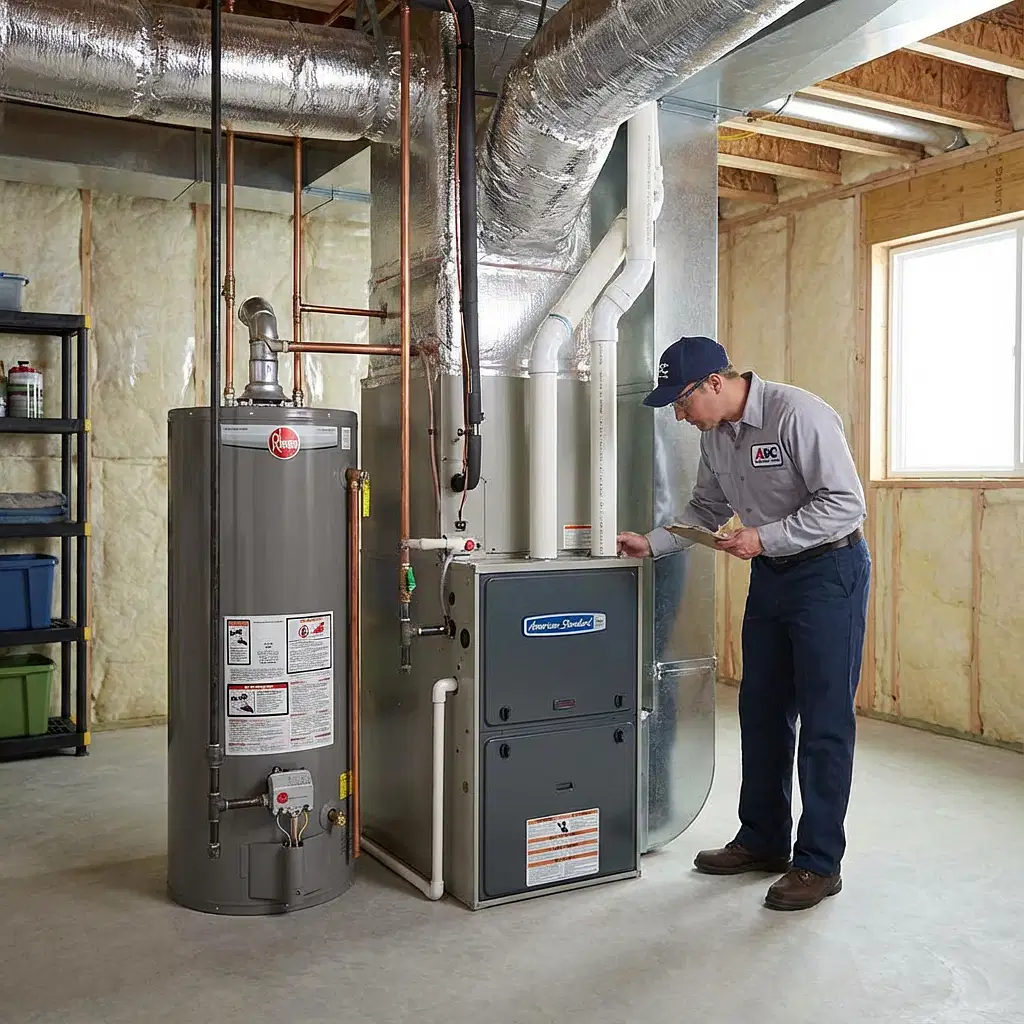
Why Hydronic Radiators Are Cold at Top
If you have noticed that some rooms feel chillier than usual, your first step should be to physically check the radiators. If you carefully touch the unit and wonder why hydronic radiators are cold at top while remaining warm or hot at the bottom, the answer is almost always trapped air.
In a healthy hydronic heating system, hot water flows continuously through your pipes and fills the radiators to radiate heat into the room. Over time, however, small amounts of air can enter the system. Because air is lighter than water, it naturally rises to the highest points in your heating system, which usually happens to be the top of your radiators.
This pocket of trapped air prevents the hot water from fully circulating through the entire radiator panel, severely reducing its heating output. Fortunately, this is a relatively simple issue to resolve through a process called "bleeding" the radiator. Using a radiator key, you can carefully open the bleed valve at the top of the unit. You will hear a slight hissing sound as the trapped air escapes. Once water begins to trickle out, you can close the valve securely.
While bleeding radiators is straightforward, finding yourself doing it constantly points to a larger problem where air is continuously being introduced into the system. If this is the case, it is highly recommended to schedule heating system repair & maintenance to have an expert identify the root cause of the air infiltration.
Investigating Boiler Pressure Drops
Your boiler operates as a sealed, pressurized system. For the water to circulate efficiently up to your radiators, there must be adequate pressure. Typically, a healthy boiler will sit between 1.0 and 1.5 bar when the system is cold. If you notice your boiler pressure gauge dropping below one bar, the system will struggle to push hot water throughout your home, and modern boilers will often shut down entirely as a safety precaution.
One of the most frustrating scenarios for a homeowner is a boiler losing pressure with no visible leak. You check around the base of the unit, inspect the visible pipework, and look under the radiators, but everything is completely dry.
So, where is the pressure going? There are a few common culprits behind this phantom pressure loss. The first is a failing pressure relief valve. If the valve is slightly worn, it may be discharging small amounts of water to the outside of your home via the discharge pipe, meaning you would never see the puddle indoors.
Another frequent cause is a compromised expansion vessel. The expansion vessel contains a rubber diaphragm that separates air and water, allowing the water to expand safely as it heats up. If the diaphragm fails or loses its air charge, the pressure spikes when the heating turns on, forcing the relief valve to open and dump water. Once the system cools down, the overall pressure will have dropped significantly.
Lastly, especially in older Inner City homes, there is the possibility of a micro-leak under the floorboards. Hot water evaporating quickly from a tiny pinhole leak in a buried pipe can lead to a gradual loss of pressure without ever leaving a damp patch on your ceiling or floor.
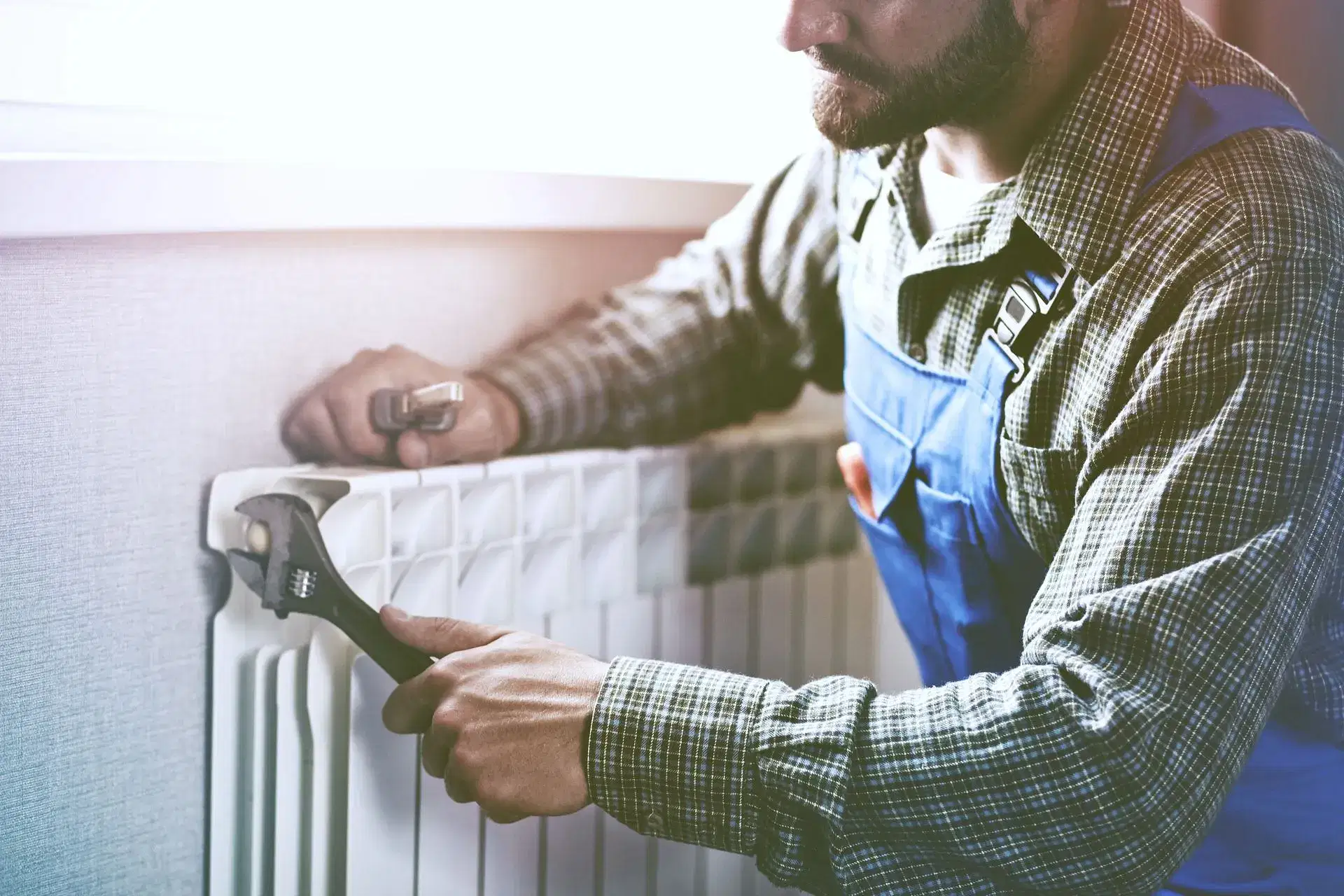
How to Repressurize a Residential Home Boiler
If your pressure has dropped, you will need to add water back into the system. Learning how to repressurize residential home boiler units is a handy skill for any homeowner.
First, turn off your boiler completely and allow the system to cool down. Locate your filling loop—this is usually a braided silver hose with two small valves connecting your cold water supply to the boiler.
To repressurize, slowly open the valves on the filling loop. You should hear the sound of water flowing into the system. Keep a close eye on the pressure gauge on the front of the boiler. You want to watch the needle rise steadily until it rests between 1.0 and 1.5 bar. As soon as it hits the correct zone, close both valves tightly.
Keep in mind that if you recently bled your radiators to fix the cold spots we discussed earlier, your boiler pressure will naturally drop because you let air out of the sealed system. It is standard practice to check and top up the pressure immediately after bleeding radiators.
However, if you find yourself having to top up the boiler every few days or weeks, do not ignore it. Constantly adding fresh, oxygen-rich water into the system can cause internal rust and sludge build-up, severely damaging your heat exchanger over time. If your system will not hold pressure, you need professional boiler repair & maintenance to protect your investment.
Keep Your Home Cozy Through the Dry Cold
A sudden drop in indoor temperature is stressful, especially when YYC drops into a deep freeze. By understanding how to check for trapped air in your radiators and keeping a watchful eye on your system's pressure gauge, you can maintain a much more comfortable environment for your family.
Remember that while bleeding radiators and topping up pressure are regular homeowner tasks, persistent pressure loss or constantly cold radiators are signs that your system needs a professional eye. Regular maintenance not only prevents emergency breakdowns on the coldest days of the year but also ensures your equipment is running efficiently, keeping your monthly utility bills in check during the intense dry cold of winter.
If you are tired of waking up to a chilly house or find yourself constantly adjusting the filling loop on your boiler, our team at Phillips HVAC is here to help. We believe in transparent, upfront pricing and ensuring your heating system is reliable when you need it most. Contact us today to schedule a comprehensive diagnostic or tune-up for your Calgary home, and let us bring the warmth back to every room.